AGENT SIEGE
A defense game where a slot machine is your AI agent. Spin to generate defenders, aim the ring, and hold the core.
Works on desktop and on phones held sideways. No account, no ads, no tracking.
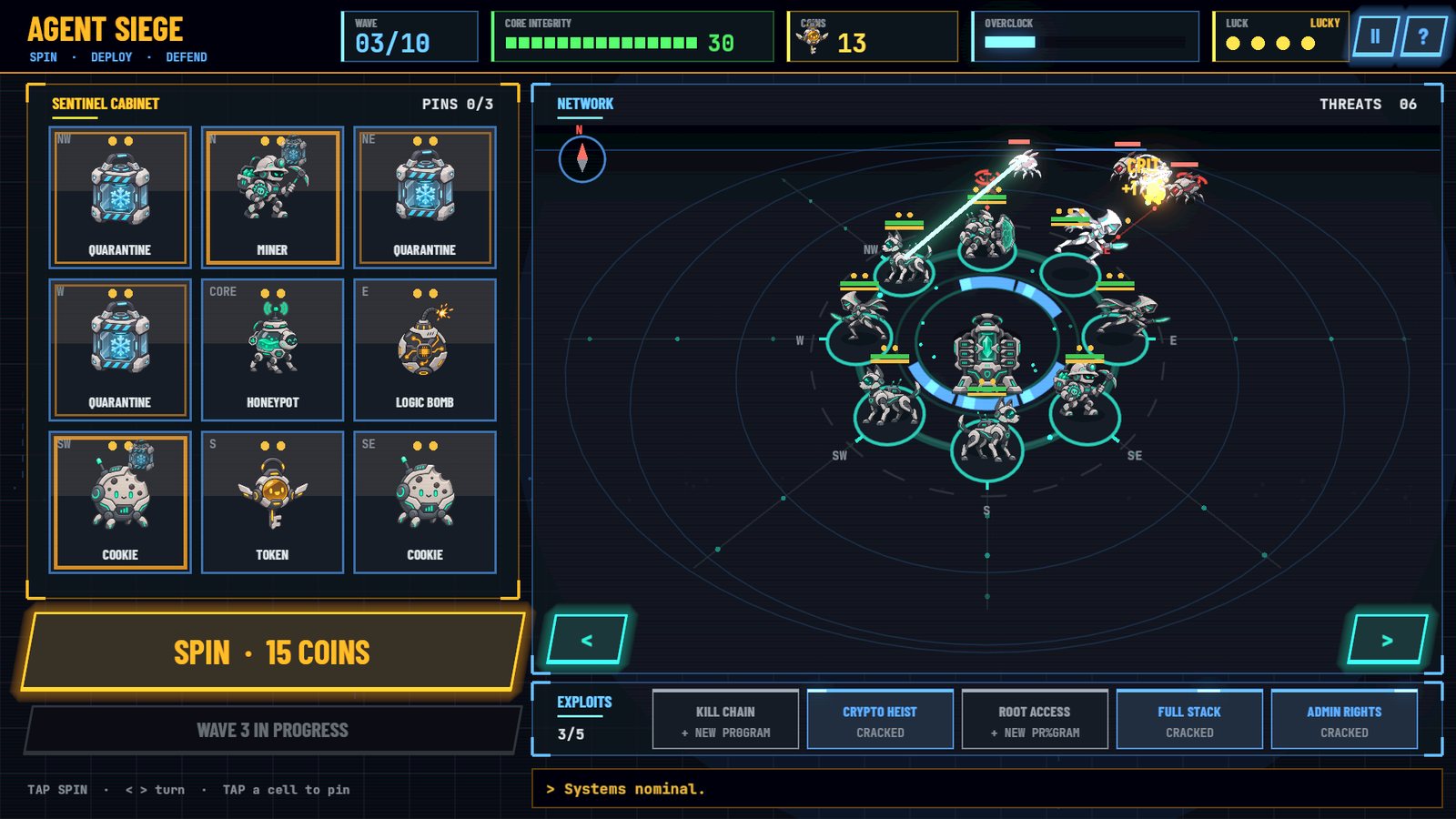
Your agent is the slot machine
Every spin is one generation of SENTINEL, your defense AI. The randomness is the point: it is how language models pick what to say.

Spin the cabinet
SENTINEL’s cabinet is a 3x3 slot machine. Each spin generates nine programs, the way an AI agent samples a response.

Deploy to the ring
Each cell sends its program to the same side of the ring around the core. Matches add stars. Nothing is wasted.

Defend the core
Red arrows show where the next wave breaks in. Turn the ring to face it, and hold out for ten waves.
The siege
Classic malware, and the attacks that only exist because AI agents do.

Malware
Fast and everywhere.

LLM Worm
Slides to an open side and replicates when deleted.

Prompt Injector
Hijacks a fighter and turns it on its own ring.
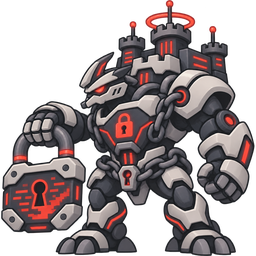
Ransomware
The final boss. Encrypts your fighters until it falls.
Exploits named for real hacks
Line up the right patterns on the cabinet to crack exploits that pay out and decrypt new programs. Each one is named after a real vulnerability, with one line about what really happened.
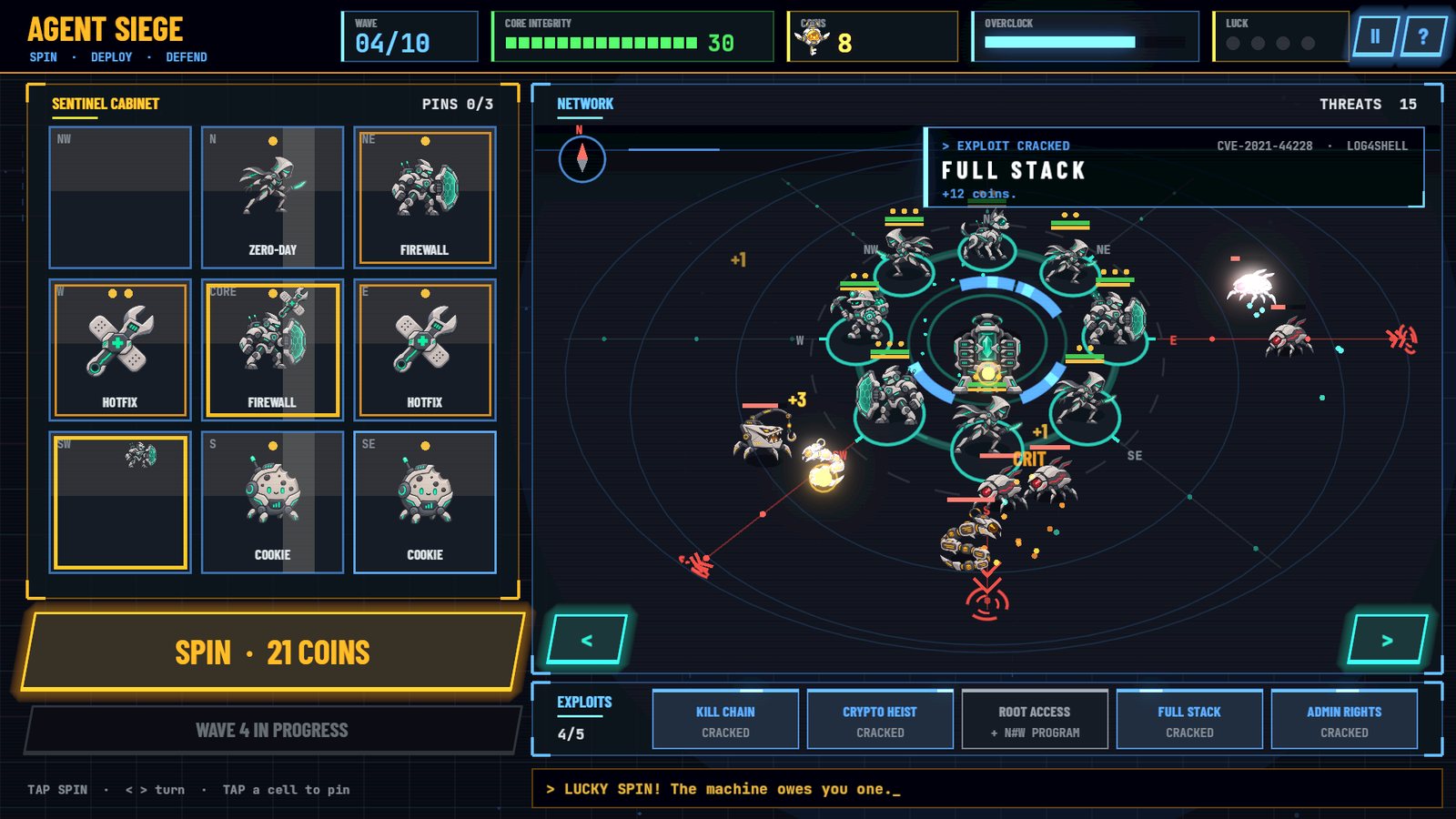
A Log4j logging bug that allowed remote code execution across the whole stack.
An OpenSSL bug that leaked server memory, including private keys.
A Windows SMBv1 flaw that the 2017 WannaCry worm used to spread.
A Linux kernel race condition that let a local user become root.
A Netlogon flaw that let an attacker take over a Windows domain admin account.
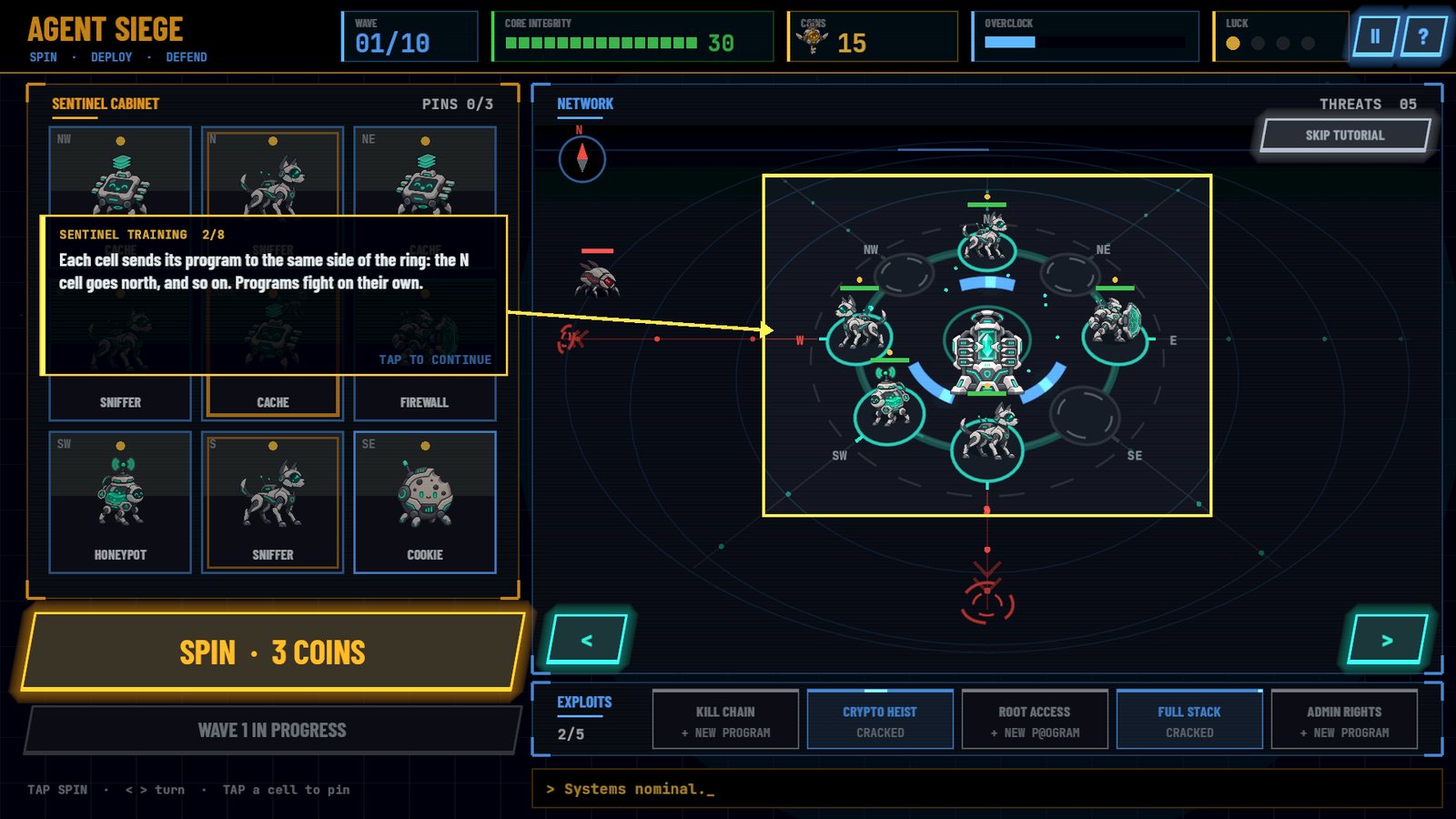
Learn how AI works, without a lecture
- Spins cost tokens, the way every generation of a real model costs compute.
- Pinned cells are your context window: a few slots the agent remembers, and no more.
- Prompt Injectors hijack your fighters, the way hostile text can hijack an agent that uses tools.
- Exploits teach the real vulnerabilities behind famous breaches.
Take a look
Real screens from the game.
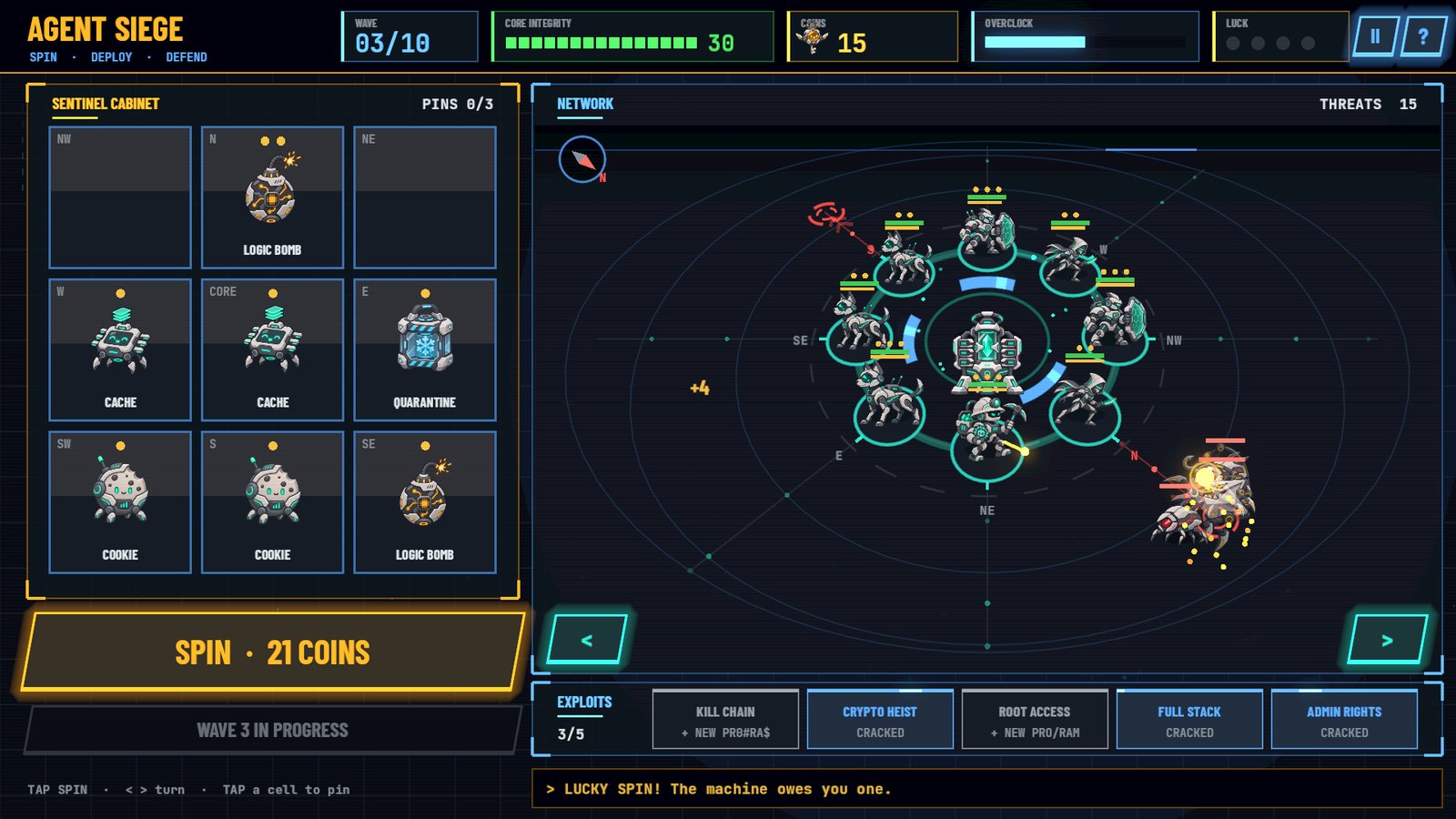
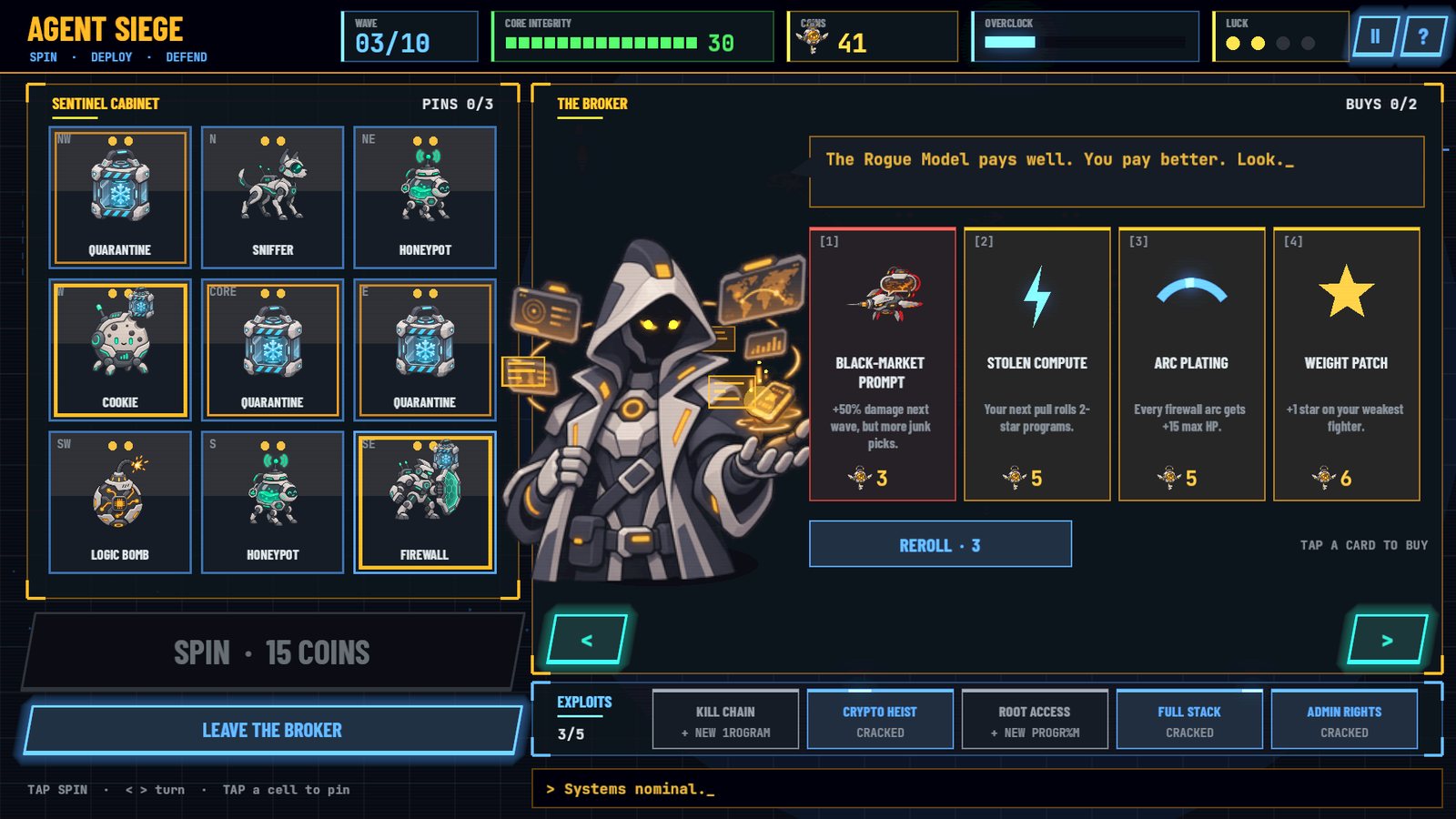
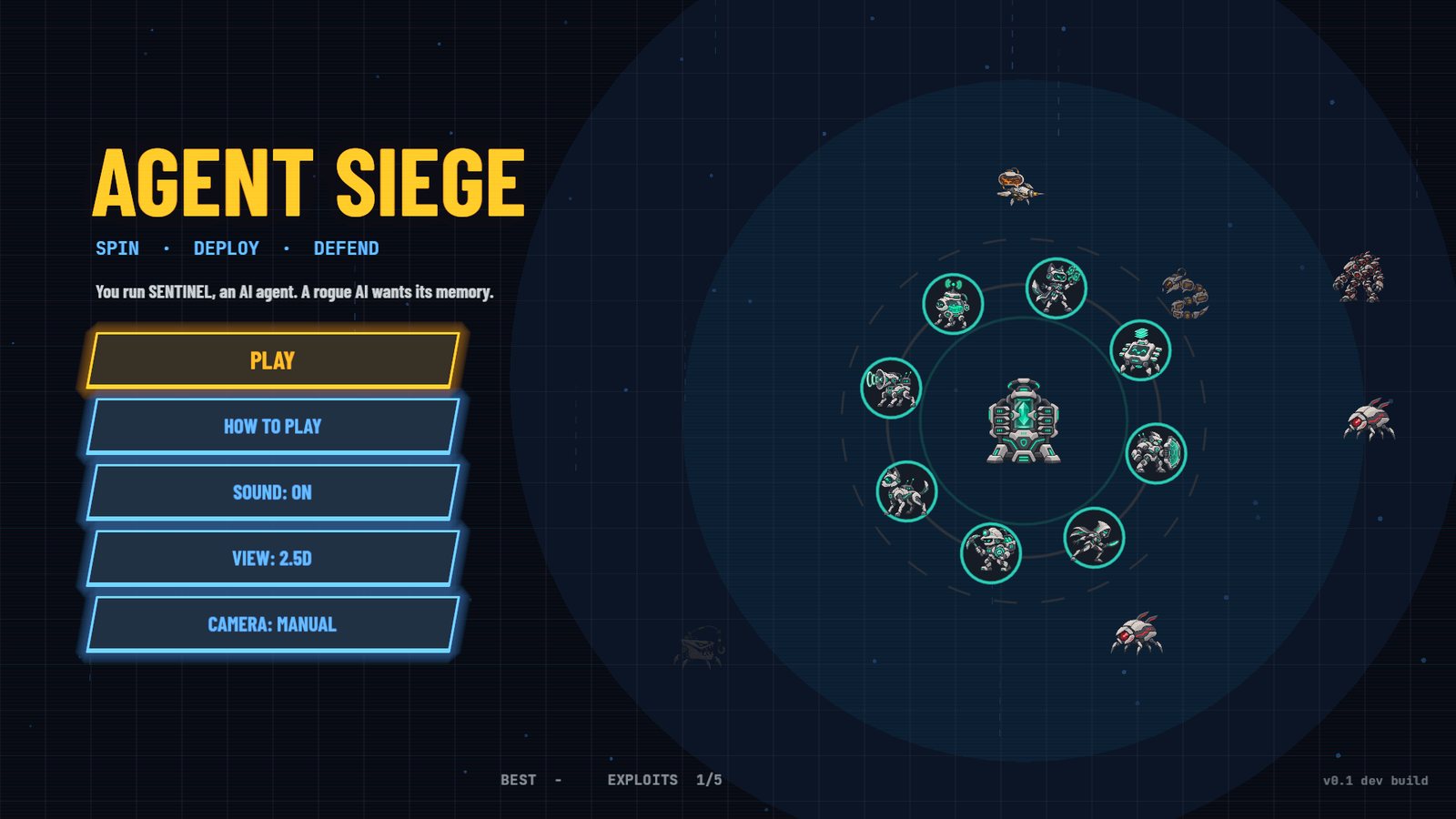

Ready, operator?
Ten waves. One core. A broker who does not ask questions.